 01
01
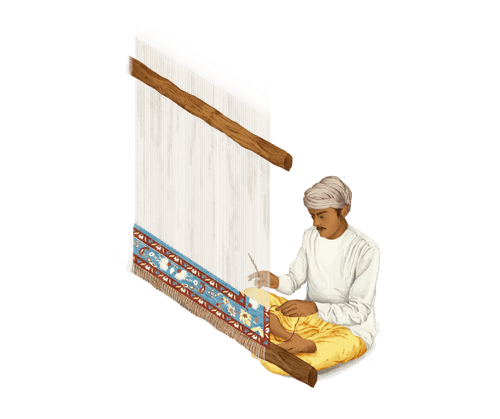
This technique has changed very little since the Mughals introduced it. It involves using a special loom, where the warp is set as the base of the carpet and the design is taken across the weft using colored threads, determined by the design. The quality of a hand-knotted carpet is determined by the number of knots per square inch.
 02
02
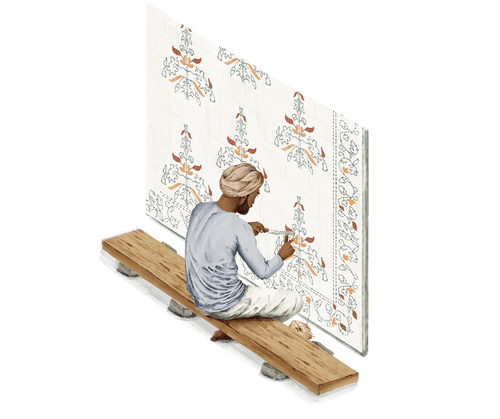
A hand-tufted rug is made by punching strands of wool using a hand-operated tool into a canvas that is stretched on a frame. This is accomplished with the help of a hand-operated tool. After piling with wool, the rug is removed from the frame and a scrim fabric is glued to the back, while a fringe is added by either sewing on, or gluing.
 03
03
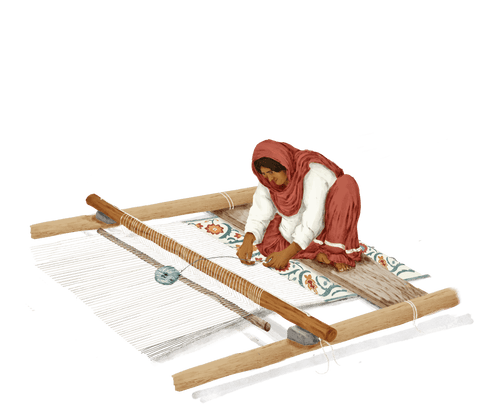
Created by interlacing warp (vertical) and weft (horizontal) threads. The threads are woven on a loom into colourful patterns, without the pile or backing you would find on knotted or tufted rugs. Flat weaves tend to be lighter and more flexible. They are easier to manage, fold, or move and are reversible — since the pattern is the same on both sides of the rug.
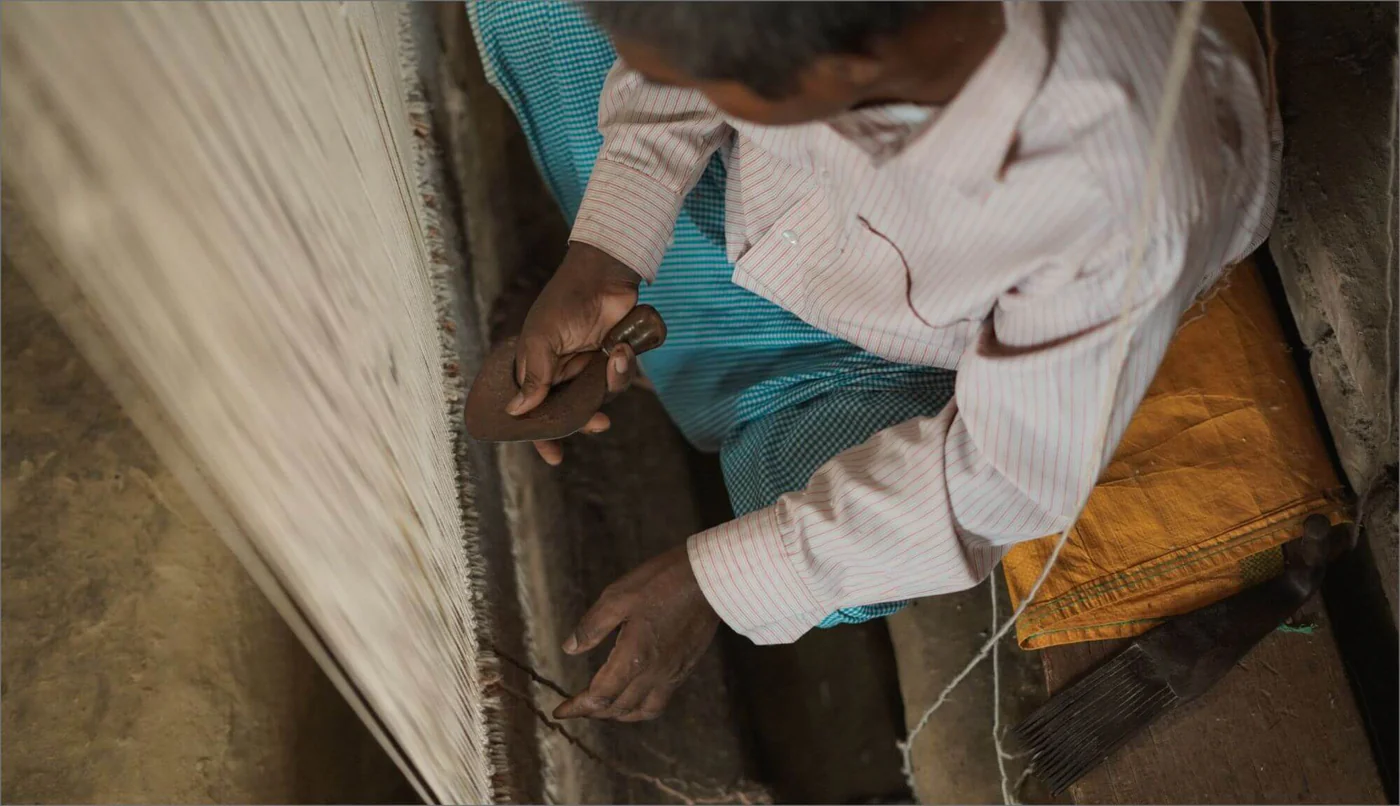
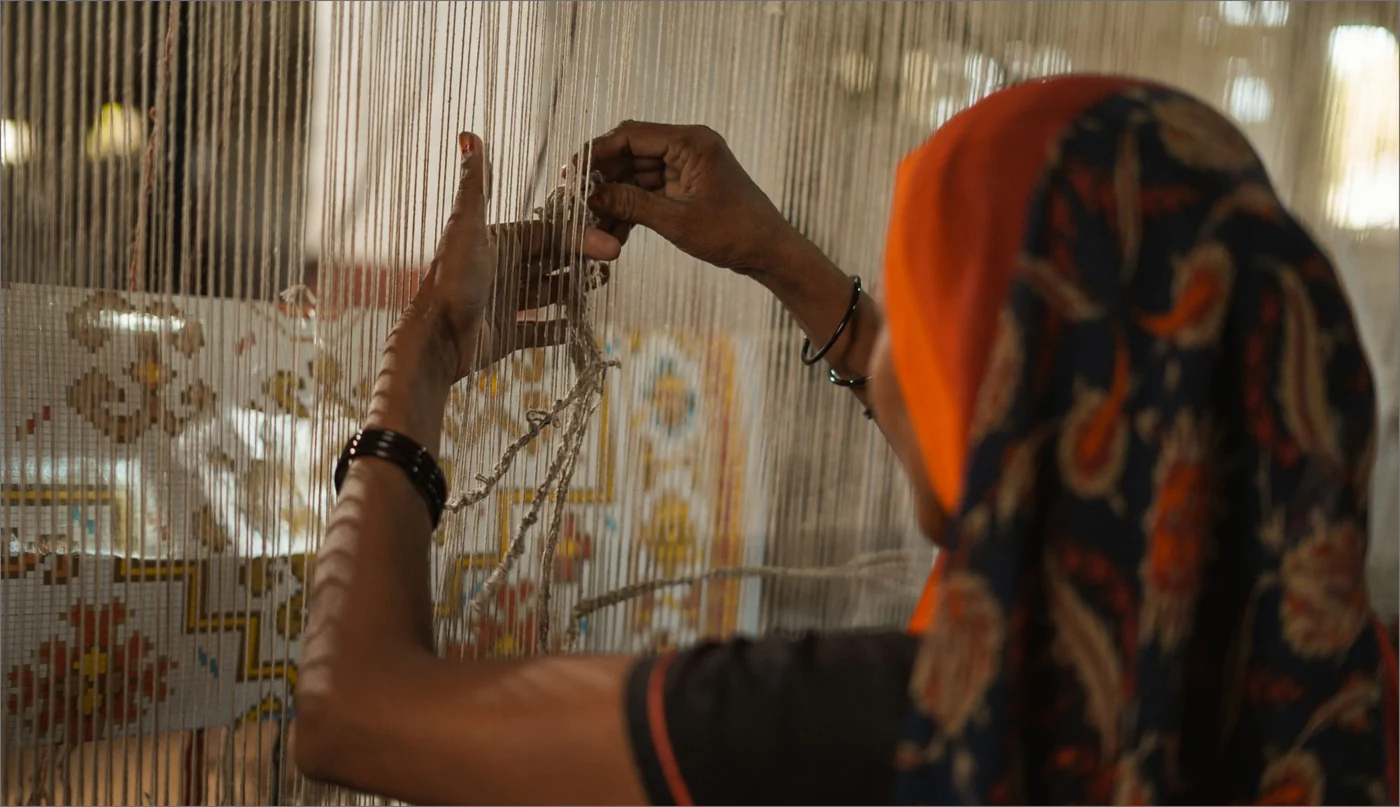
Over the past 5 centuries, the artisans of Bhadohi have watched their fathers weave, and then apprenticed to become gifted weavers themselves. The tradition of carpet-weaving here, is truly in their blood.
Artisans that travelled down from Persia via the Grand Trunk Road brought with them the intricate art of hand-knotting carpets and passed their skills down to the craftsman here.
Copyright © 2023 Artisans Avenue